Guides for HSE teams who already run cameras
Regulatory context, deployment reality, and evaluation criteria, written for oil and gas operators in Sub-Saharan Africa.
Deployment
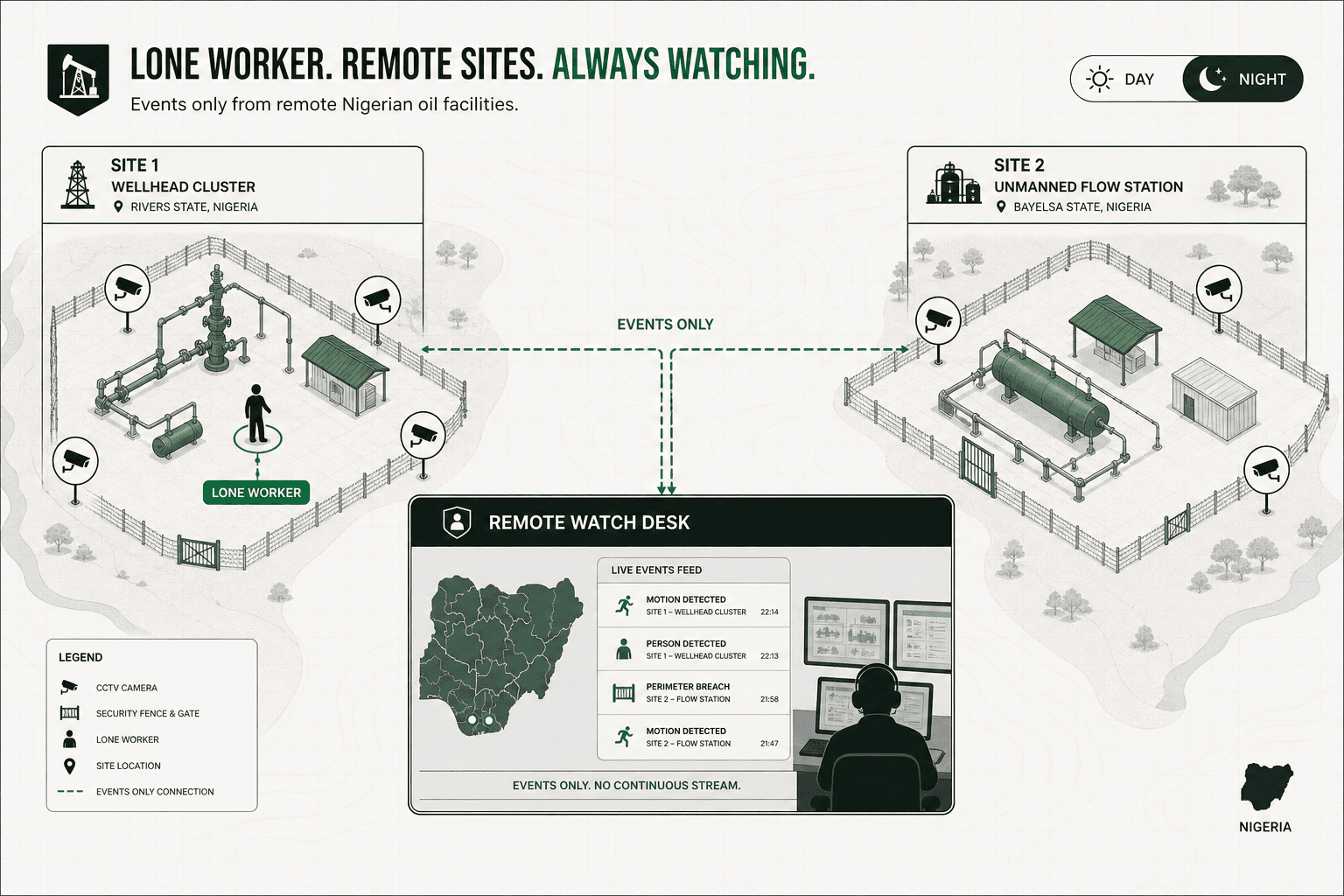
Lone Worker and Remote Facility Watch on Existing CCTV in Nigeria
Remote wellheads, unmanned flow stations, and short-staffed night shifts need more than a radio check. How Nigerian operators can use existing CCTV for lone worker and remote facility watch.
Read the guide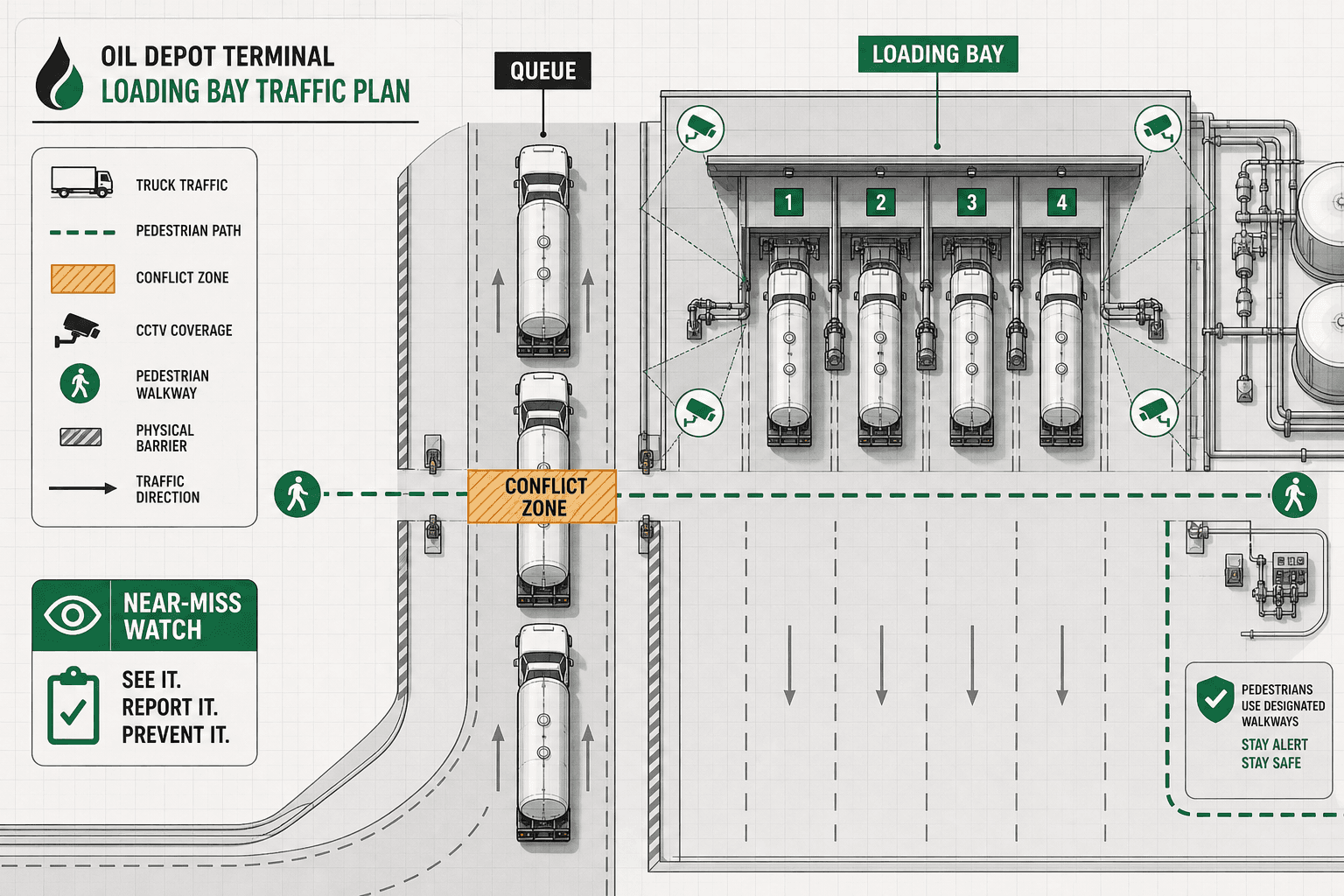
Oil & gas HSE
Loading-Bay Queues, Truck Traffic, and Pedestrian Near-Misses at Nigerian Depots
Depots and terminals lose people and time at the loading bay. How CCTV intelligence can surface truck queues, pedestrian-vehicle conflict, and suspended-load risk without turning ops into a dashboard cult.
Read the guide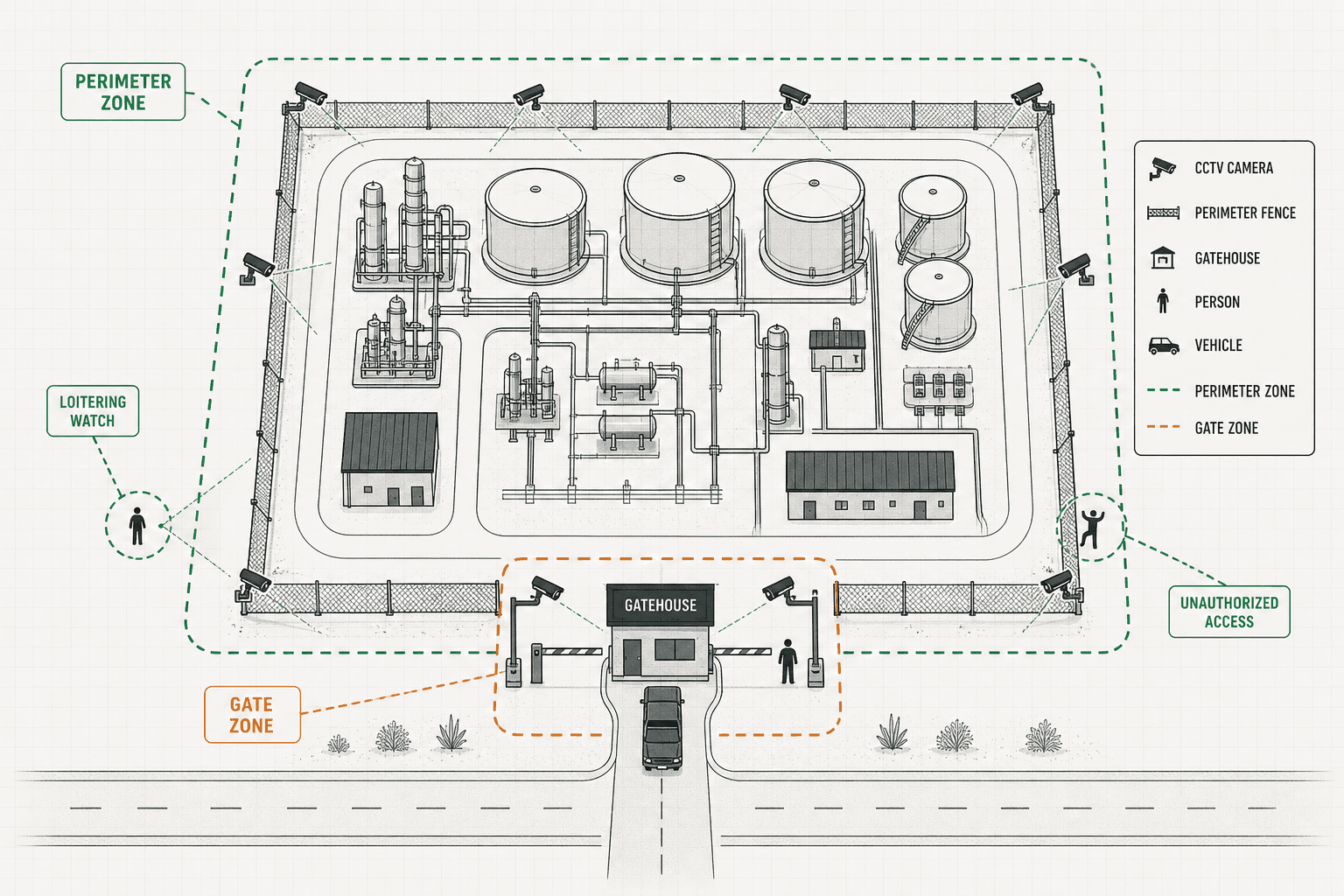
Nigeria
Facility Perimeter and Gate CCTV Intelligence for Oil and Gas Sites in Nigeria
Nigerian oil and gas facilities already run CCTV at fences and gatehouses. Here is how to turn those feeds into perimeter intrusion, loitering, and unauthorized-access intelligence that Security and HSE can act on.
Read the guide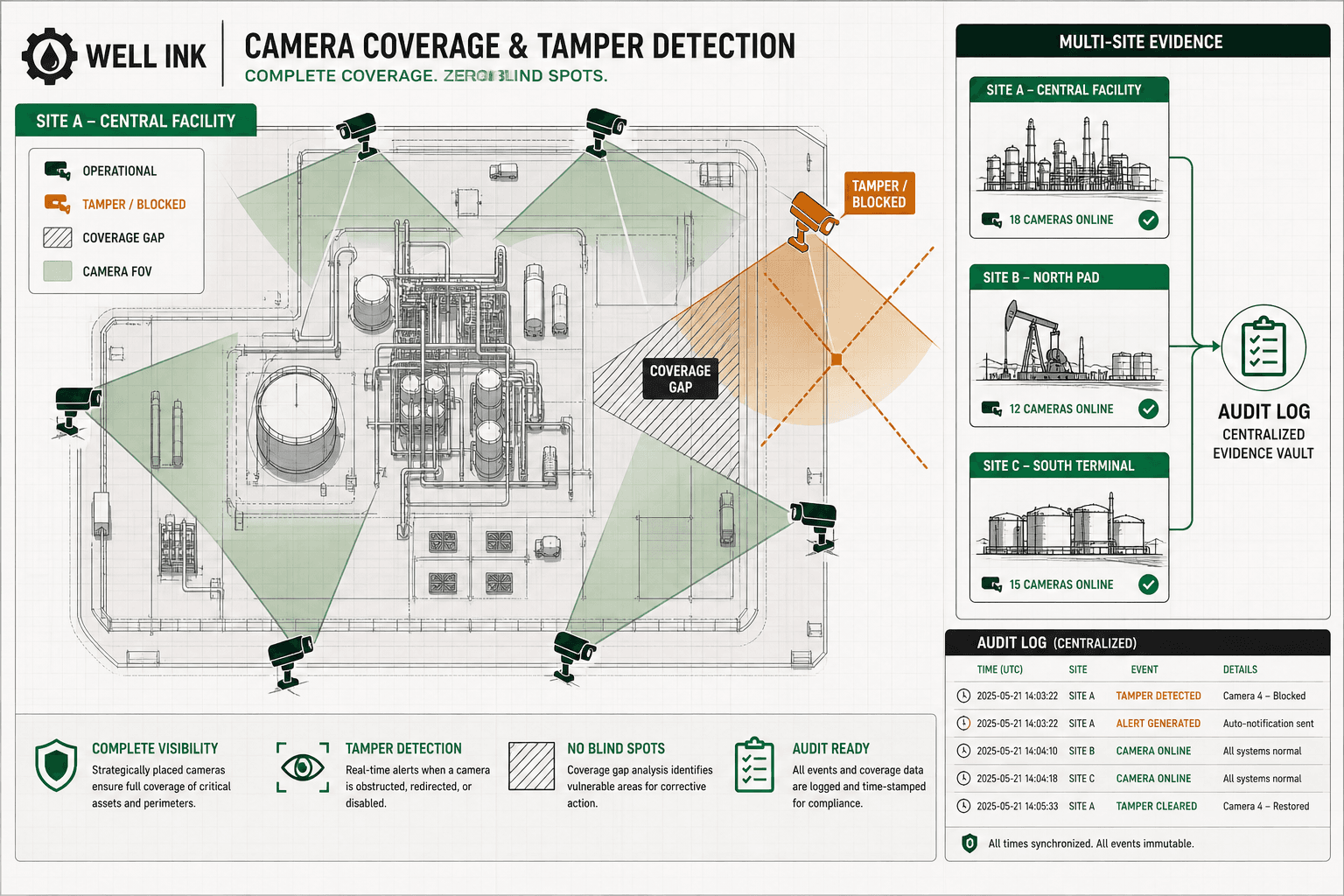
Capabilities
Camera Coverage Gaps, Tamper, and Multi-Site Evidence for Security, HSE, and Ops
If a camera is dark, fogged, or pointed at the sky, your perimeter and HSE rules are theatre. How Nigerian operators can treat coverage gaps, tamper, and multi-site evidence as first-class CCTV intelligence.
Read the guide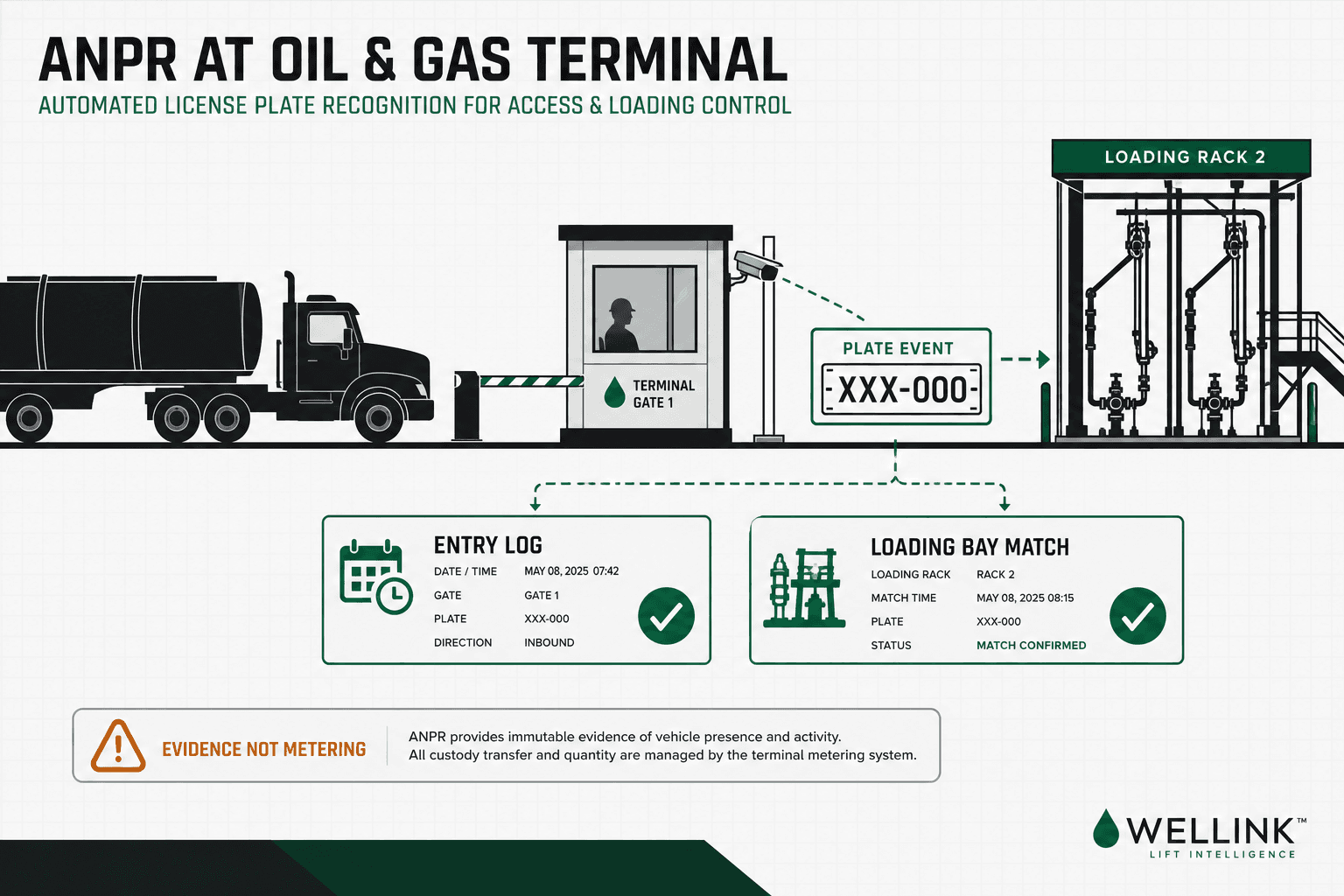
Capabilities
ANPR and Vehicle Identity at Terminals and Loading Racks: Evidence, Not Metering
How Nigerian terminals and depots can use ANPR at gates and loading racks for vehicle identity evidence, without confusing CCTV analytics with custody transfer or metering systems.
Read the guide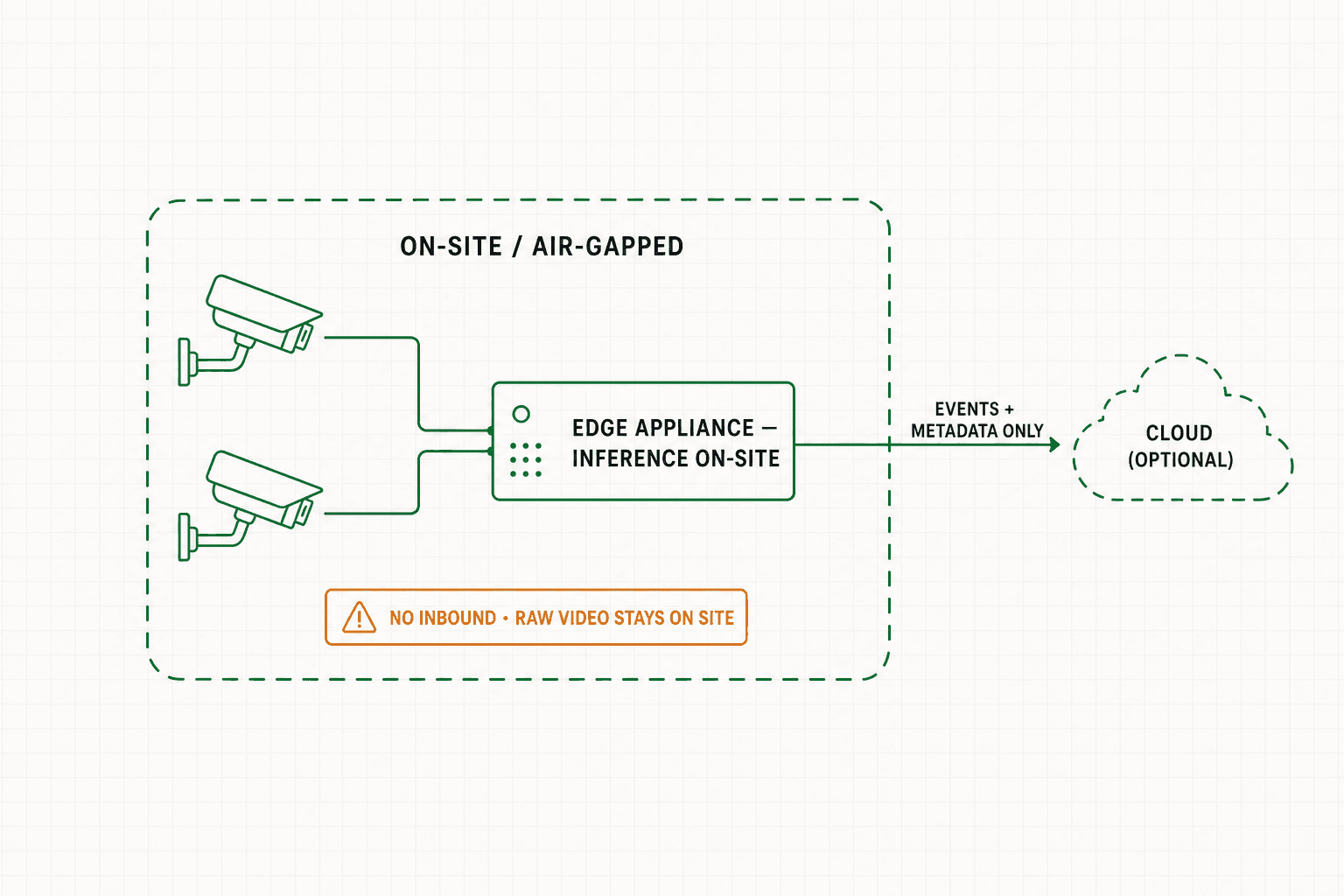
Deployment
The OT Security Question: Adding Safety AI Without Exposing Your Operations
The fastest way to kill a safety-AI deployment is a failed OT security review. Here is what security teams actually worry about, and the architecture that lets you add AI without exposing operations.
Read the guide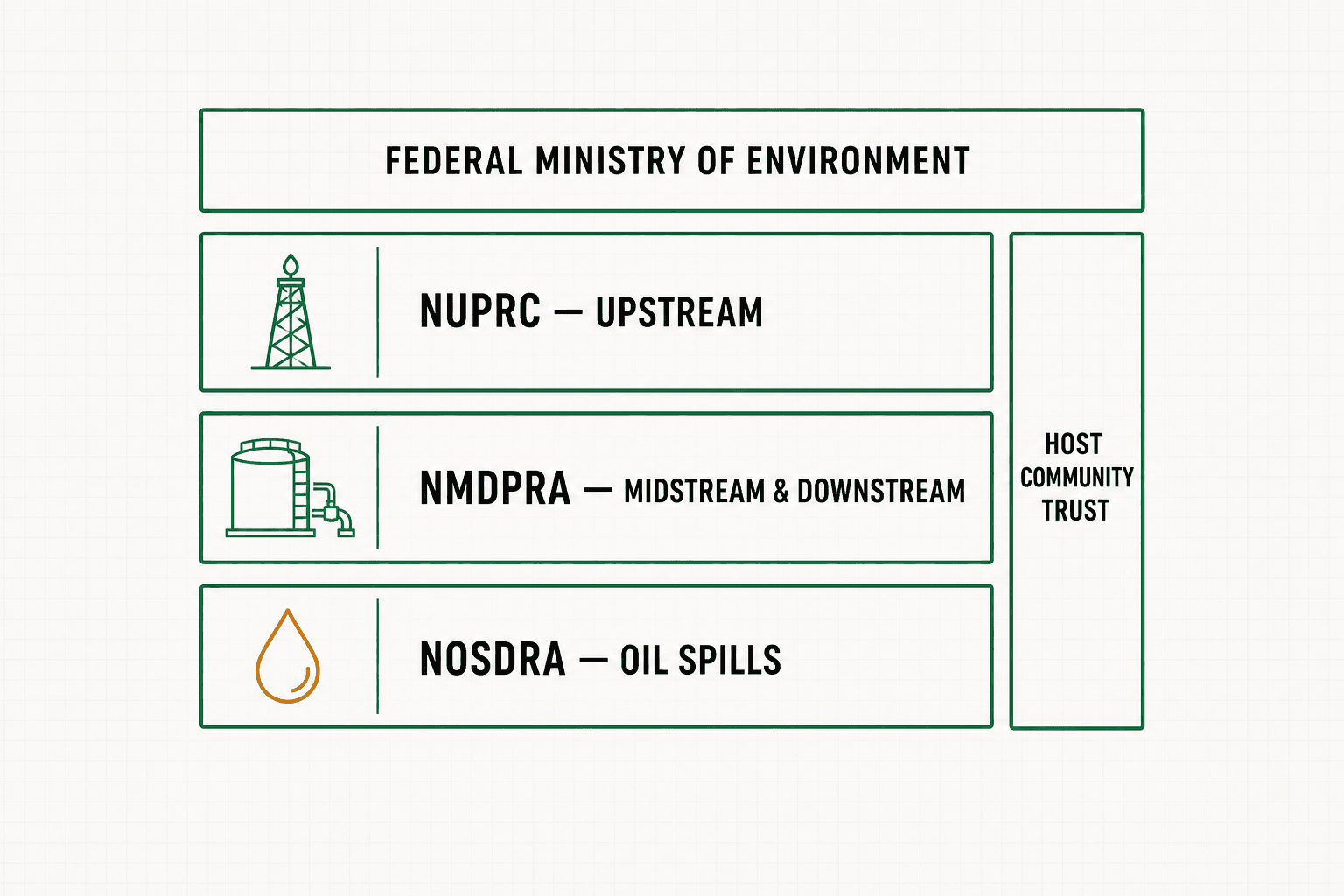
Nigeria
Beyond NOSDRA: How Nigeria's Oil and Gas Safety Regulators Fit Together
NOSDRA is only one of the regulators a Nigerian oil and gas operator answers to. Here is how NUPRC, NMDPRA, the PIA 2021 and host-community rules fit into one HSE compliance picture.
Read the guide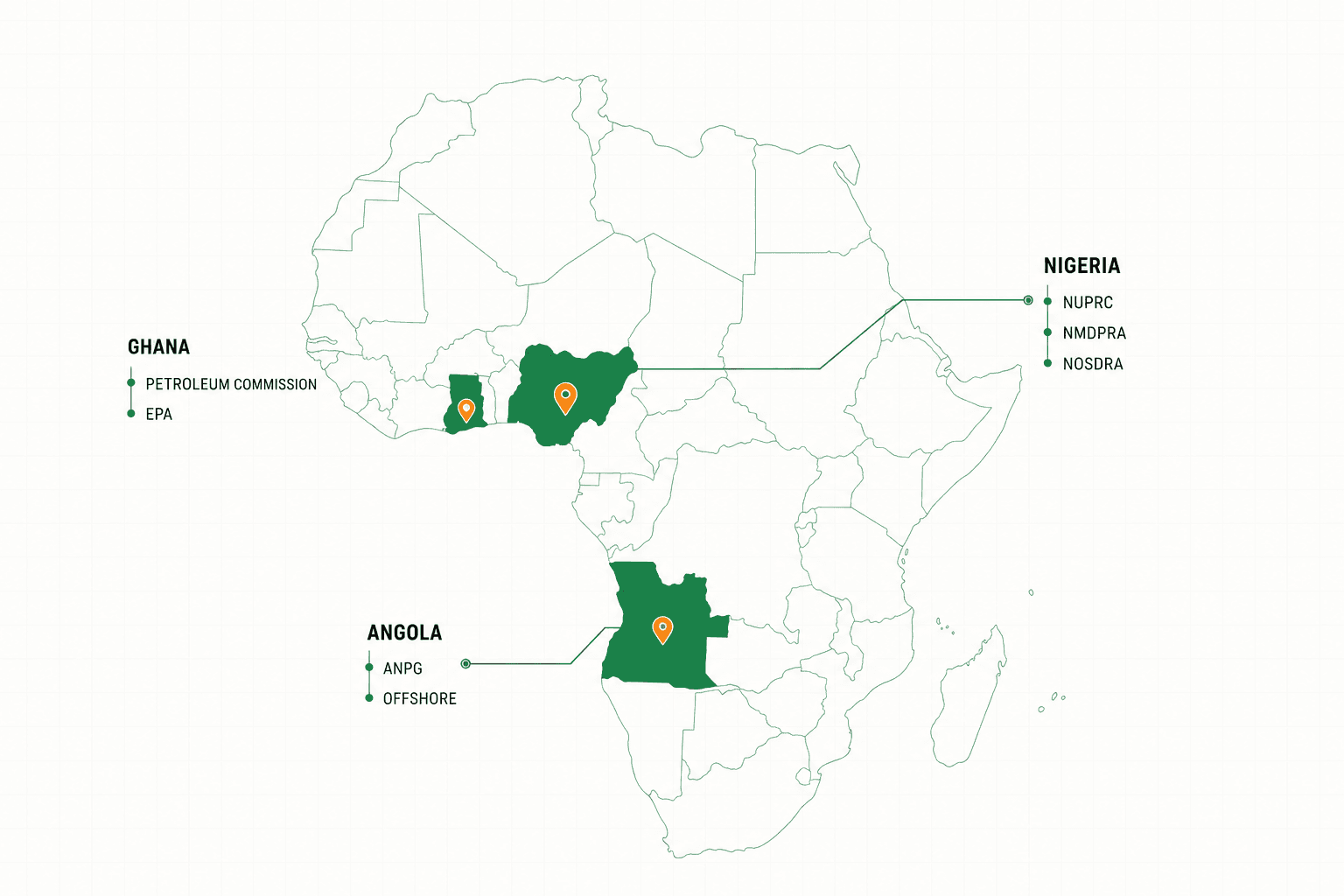
Nigeria
HSE Intelligence Across Sub-Saharan Africa: Nigeria, Ghana and Angola Compared
Operators across Nigeria, Ghana and Angola face different regulators but the same core HSE challenge. A comparison of the three regulatory landscapes and what a portable safety approach needs.
Read the guide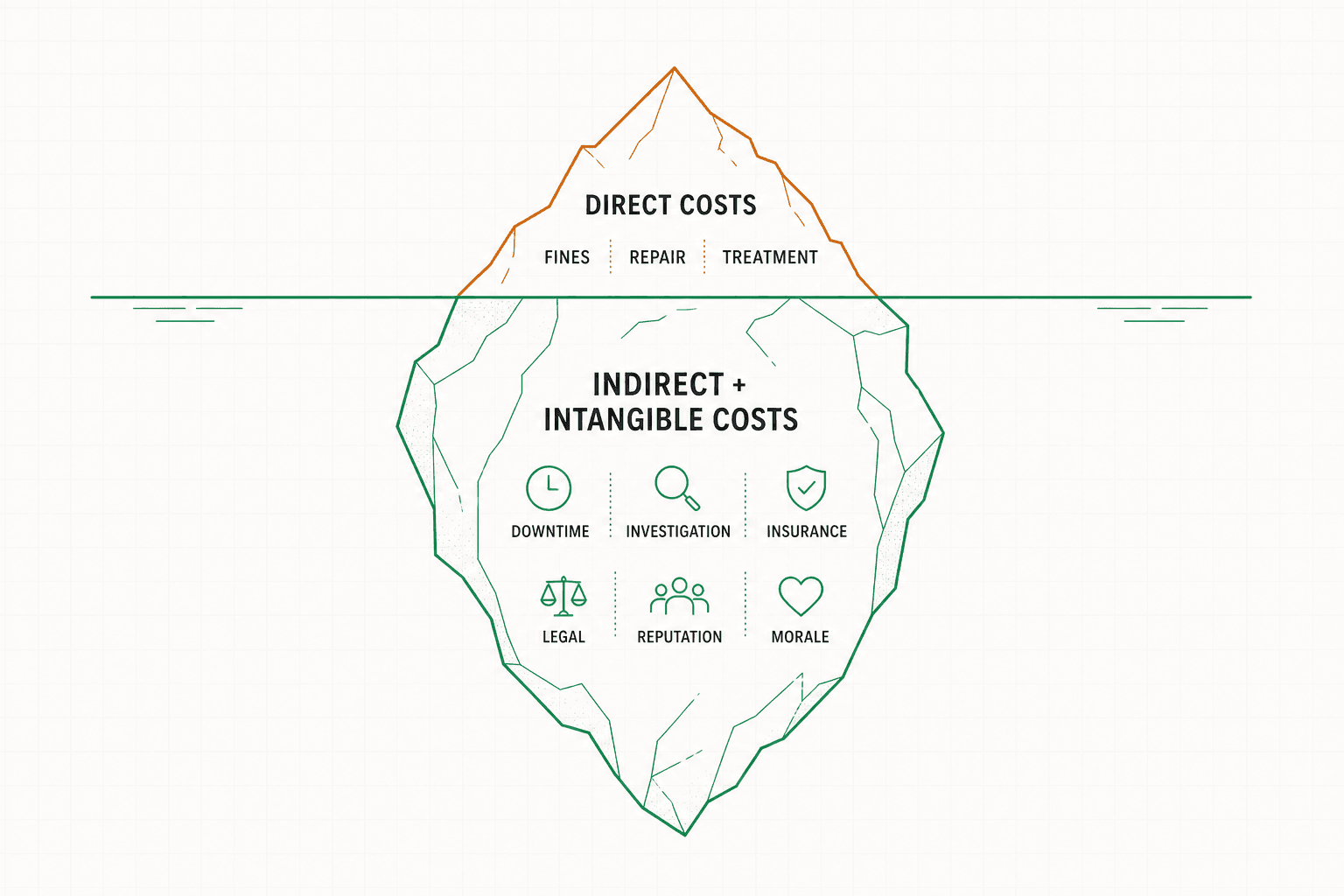
Oil & gas HSE
The Real Cost of a Preventable Incident: Building the Business Case for Safety Technology
A preventable oil and gas incident costs far more than the first invoice. Here is how operations and finance leaders can build an honest business case for real-time HSE intelligence.
Read the guide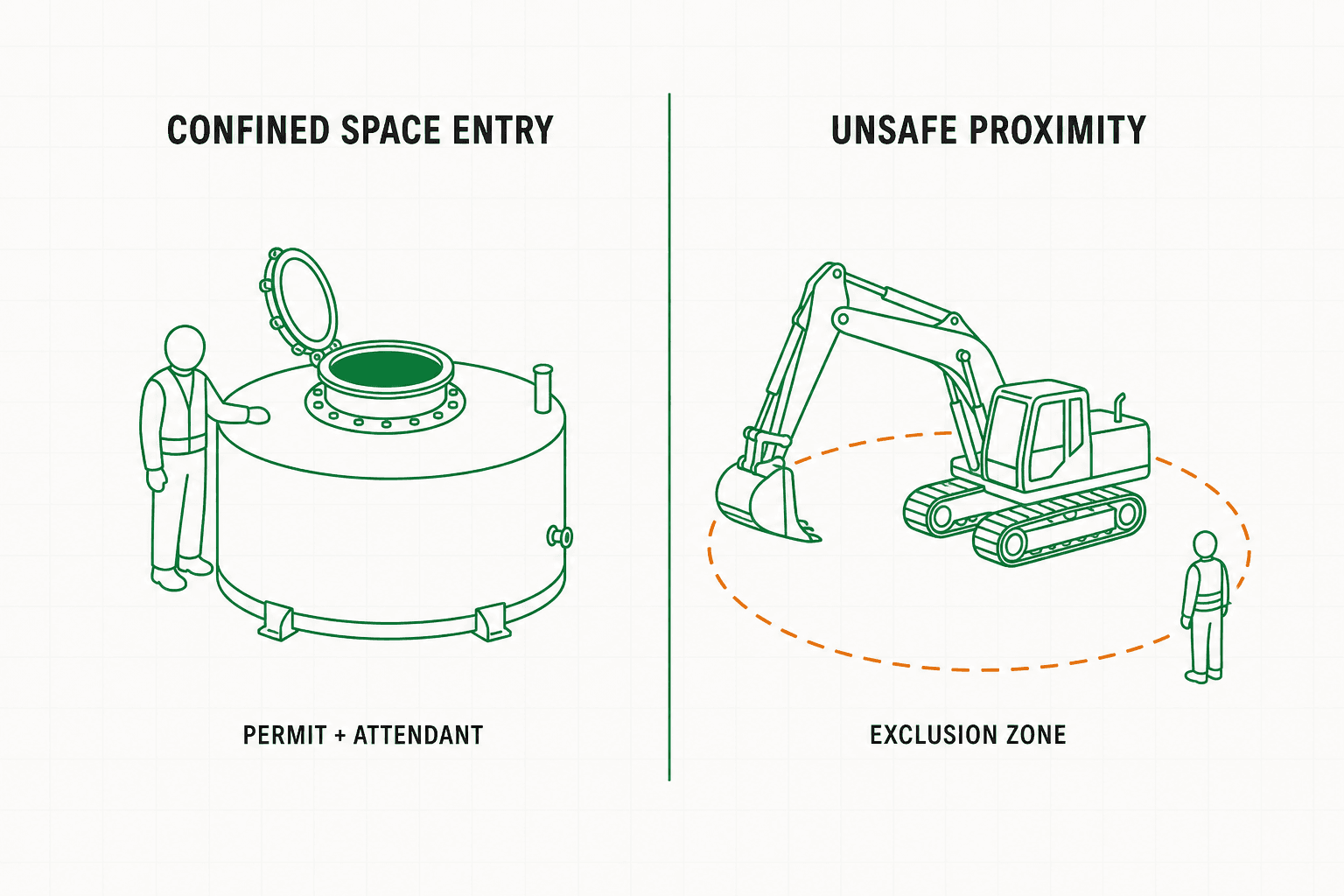
Oil & gas HSE
Confined Spaces and Unsafe Proximity: Watching the Risks That Kill Most Often
Confined-space entry and unsafe proximity to moving equipment are among the highest-fatality risks in oil and gas. Here is why they are so hard to supervise, and how continuous monitoring helps.
Read the guide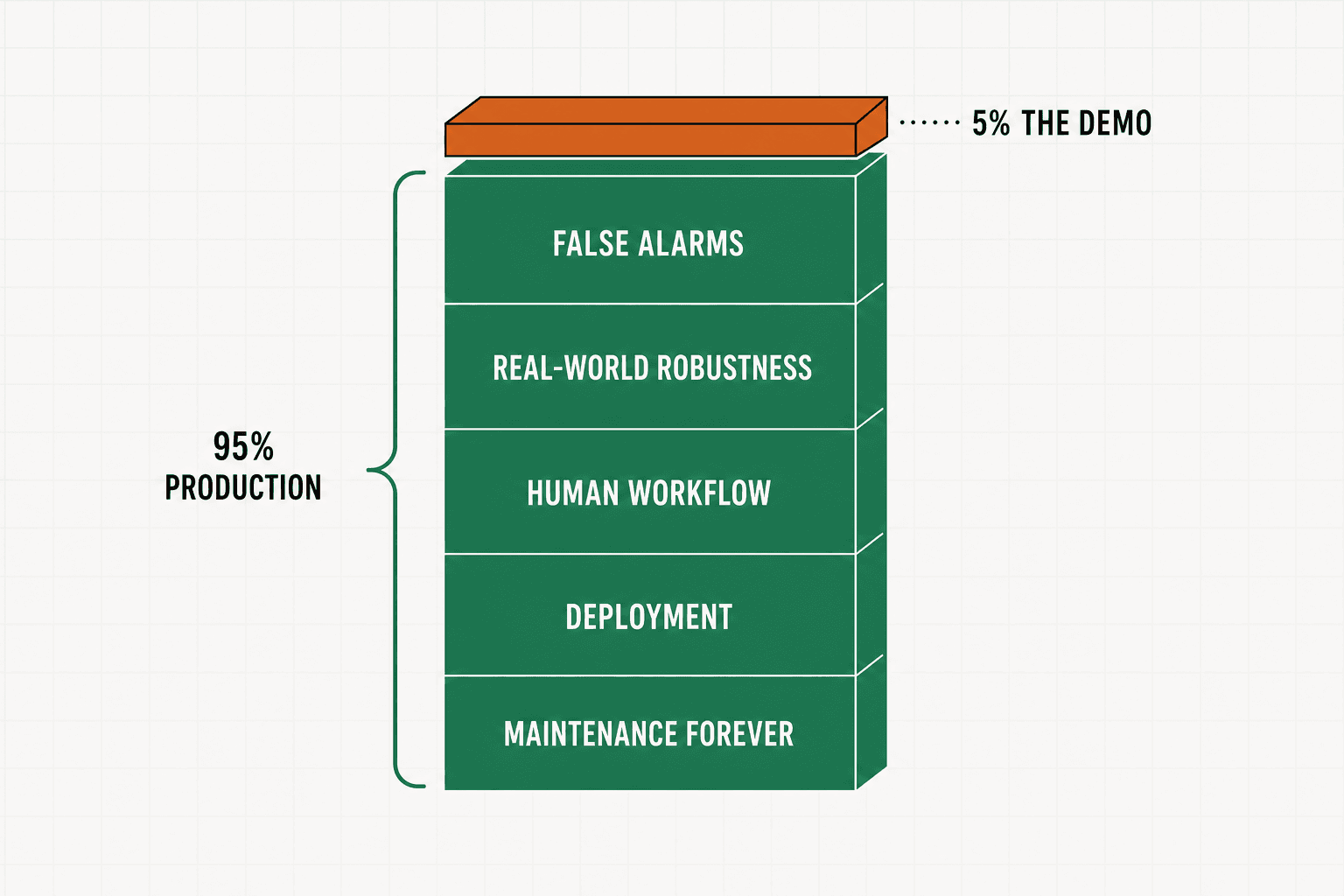
Capabilities
Buy or Build: Should You Develop Safety AI In-House?
Tempted to build your own PPE detection on existing cameras? Here is an honest framework for the buy-or-build decision in oil and gas safety AI, including the hidden costs of building.
Read the guide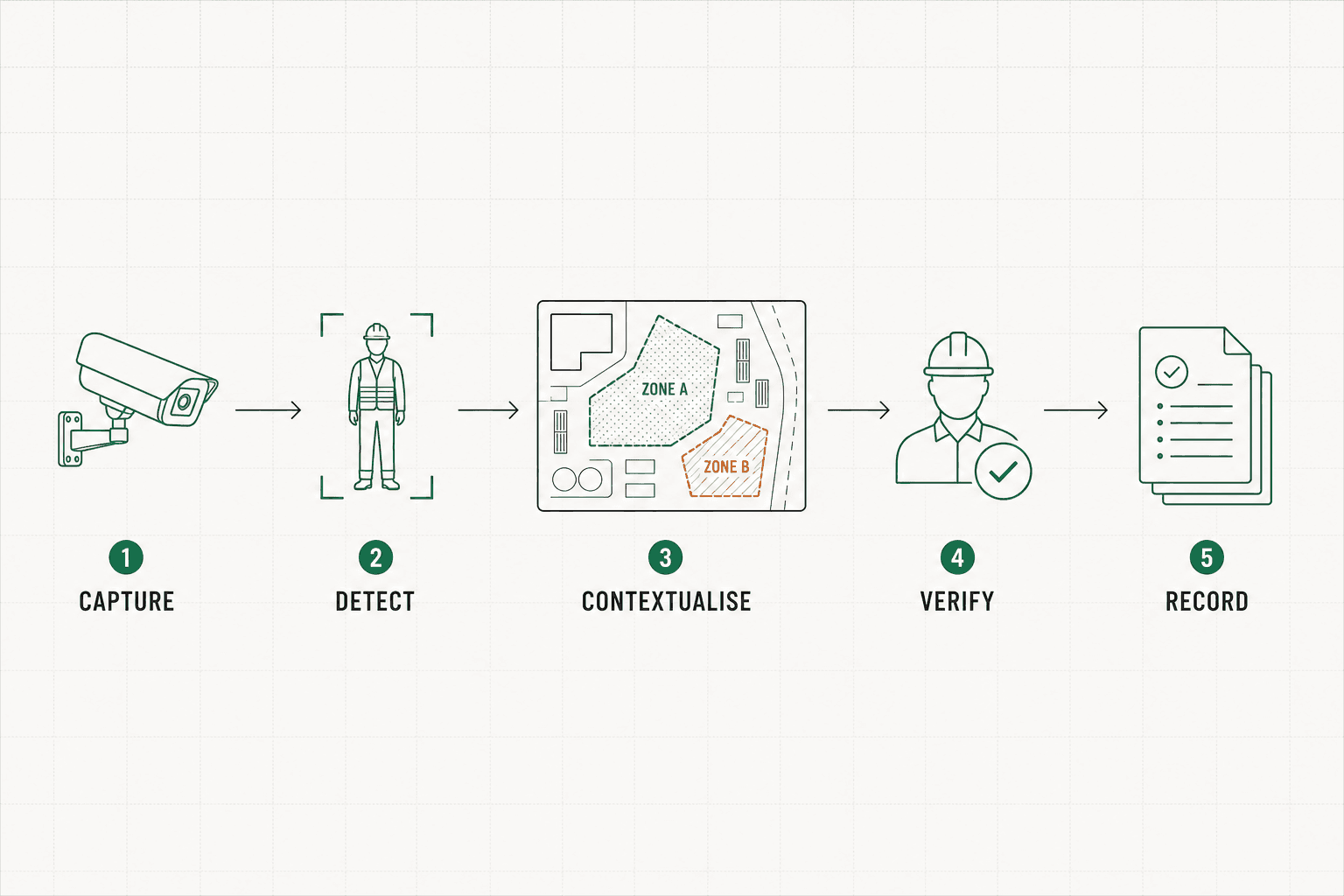
Deployment
Turning Existing CCTV into a Safety System: A Practical Guide for Oil & Gas HSE Teams
How oil & gas HSE teams can turn the CCTV they already run into a real-time safety system (RTSP/ONVIF ingestion, edge inference, zone rules, human review), and what to evaluate before buying.
Read the guide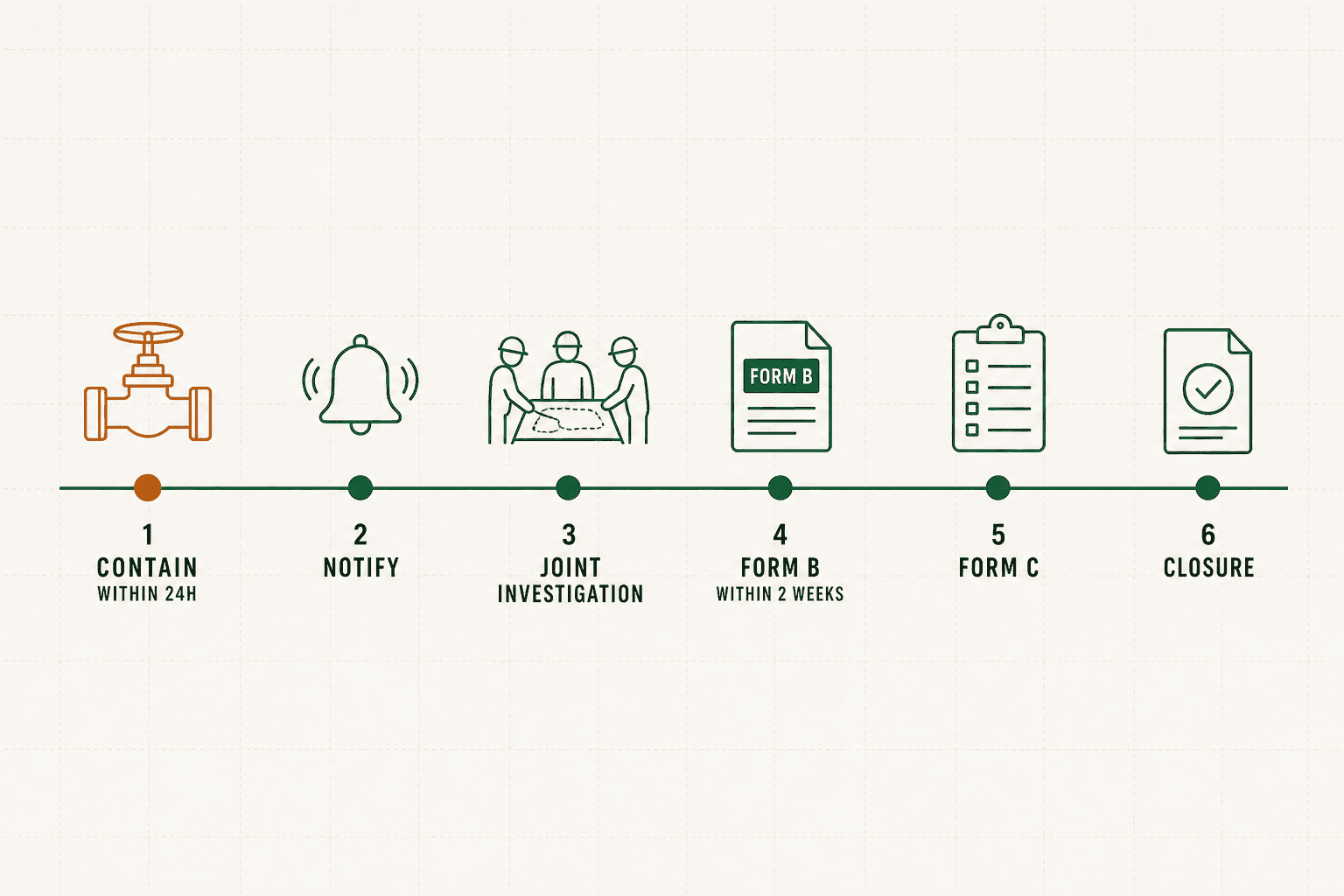
NOSDRA compliance
NOSDRA Spill Reporting: What Nigerian Oil & Gas Operators Must File, and When
A practical guide to NOSDRA oil spill reporting in Nigeria: the 24-hour containment rule, the Joint Investigation Visit, Form B and Form C, liability, and how to keep audit-ready records.
Read the guide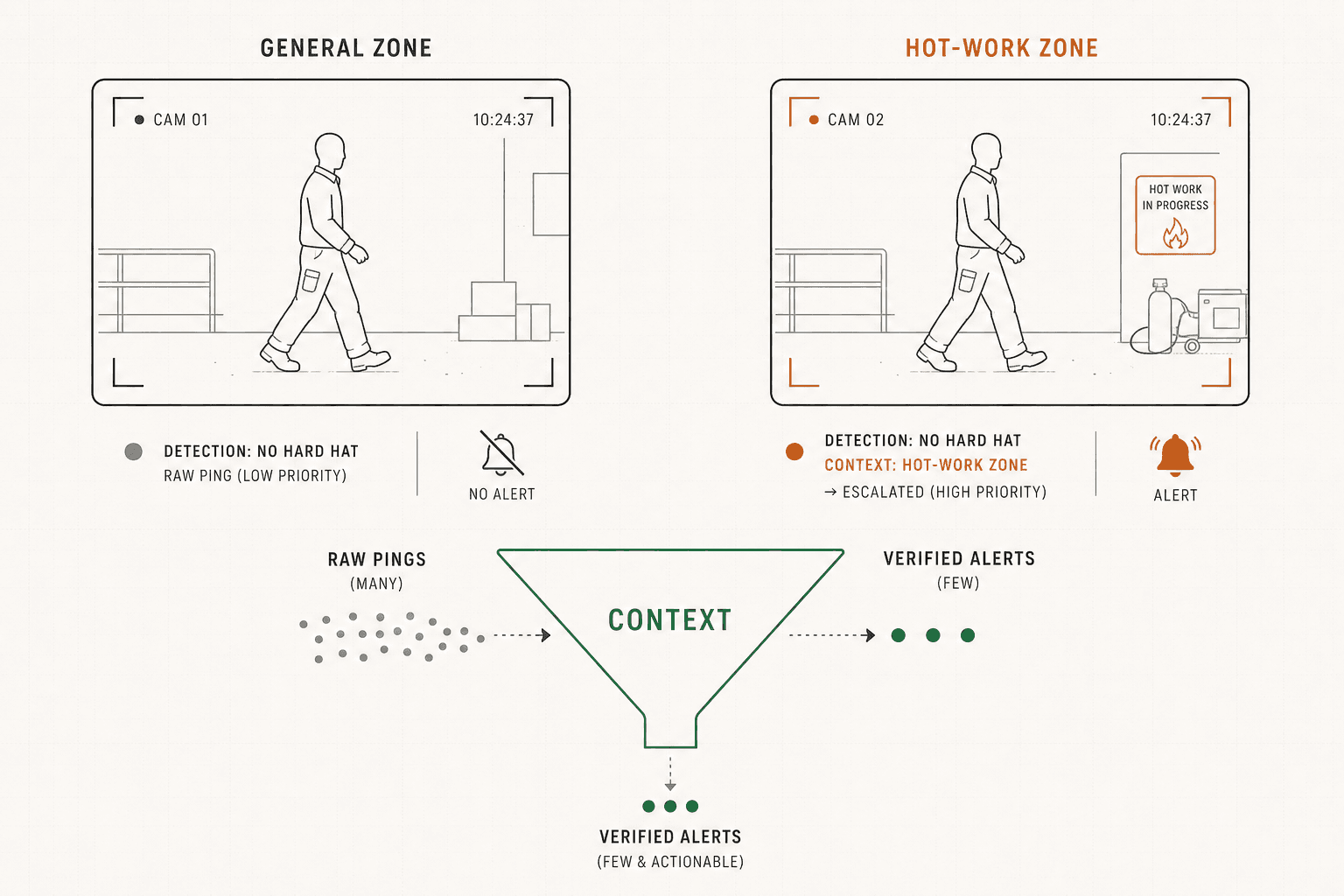
PPE detection
Cutting PPE False Alarms: Why Context Beats Raw Detection in Safety AI
PPE false alarms are the number-one reason safety AI fails in the field. Here's why context (zones, policy, and human review) matters more than raw detection accuracy, and how to evaluate it.
Read the guide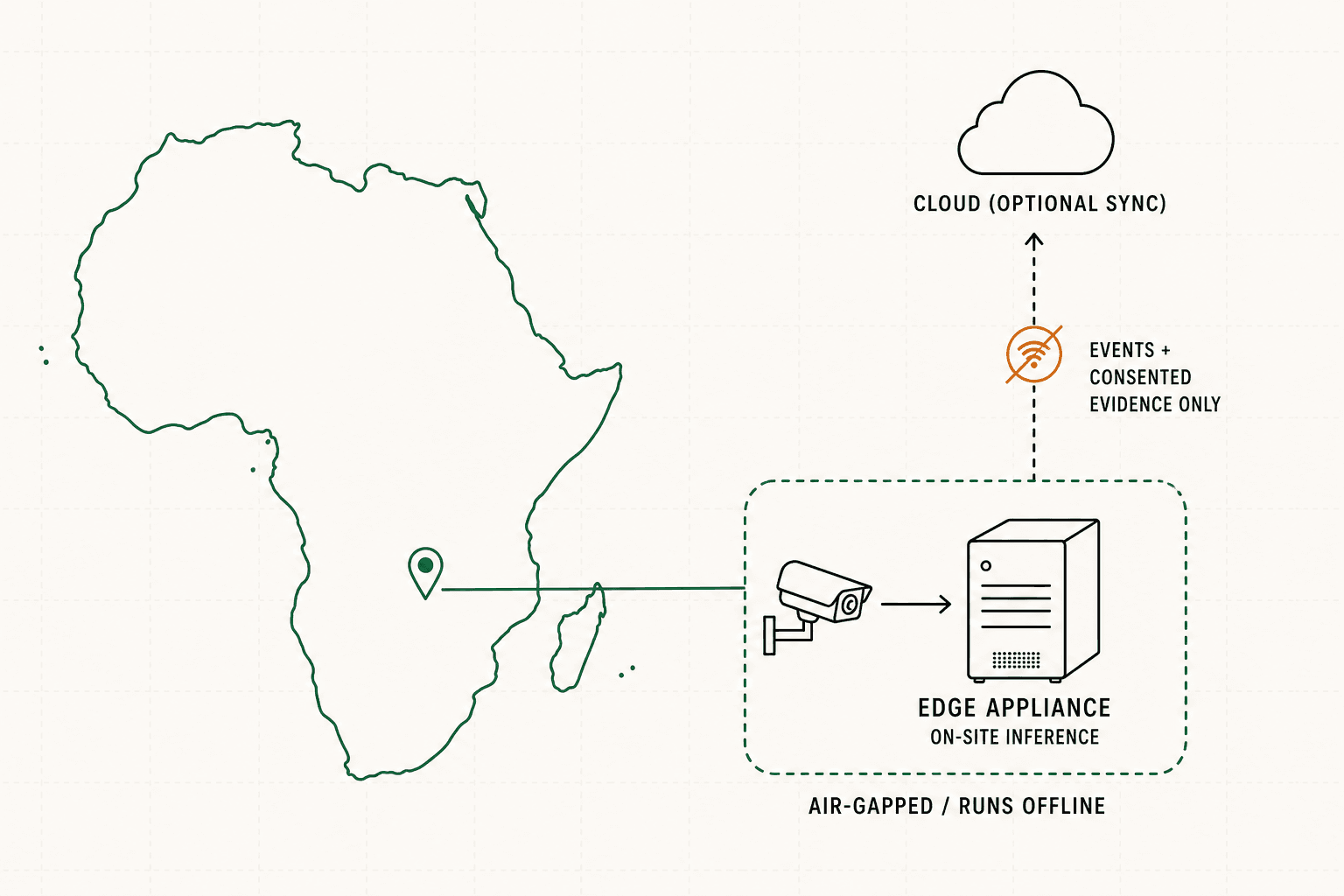
Nigeria
AI Safety Monitoring in Sub-Saharan Africa: Building for Remote Sites, Air-Gapped Networks, and Local Regulation
Global safety-AI vendors are built for OSHA and reliable connectivity. Here's what AI safety monitoring actually has to handle in Sub-Saharan Africa: remote sites, air-gapped OT, and NOSDRA-native compliance.
Read the guide